Archives

Archives

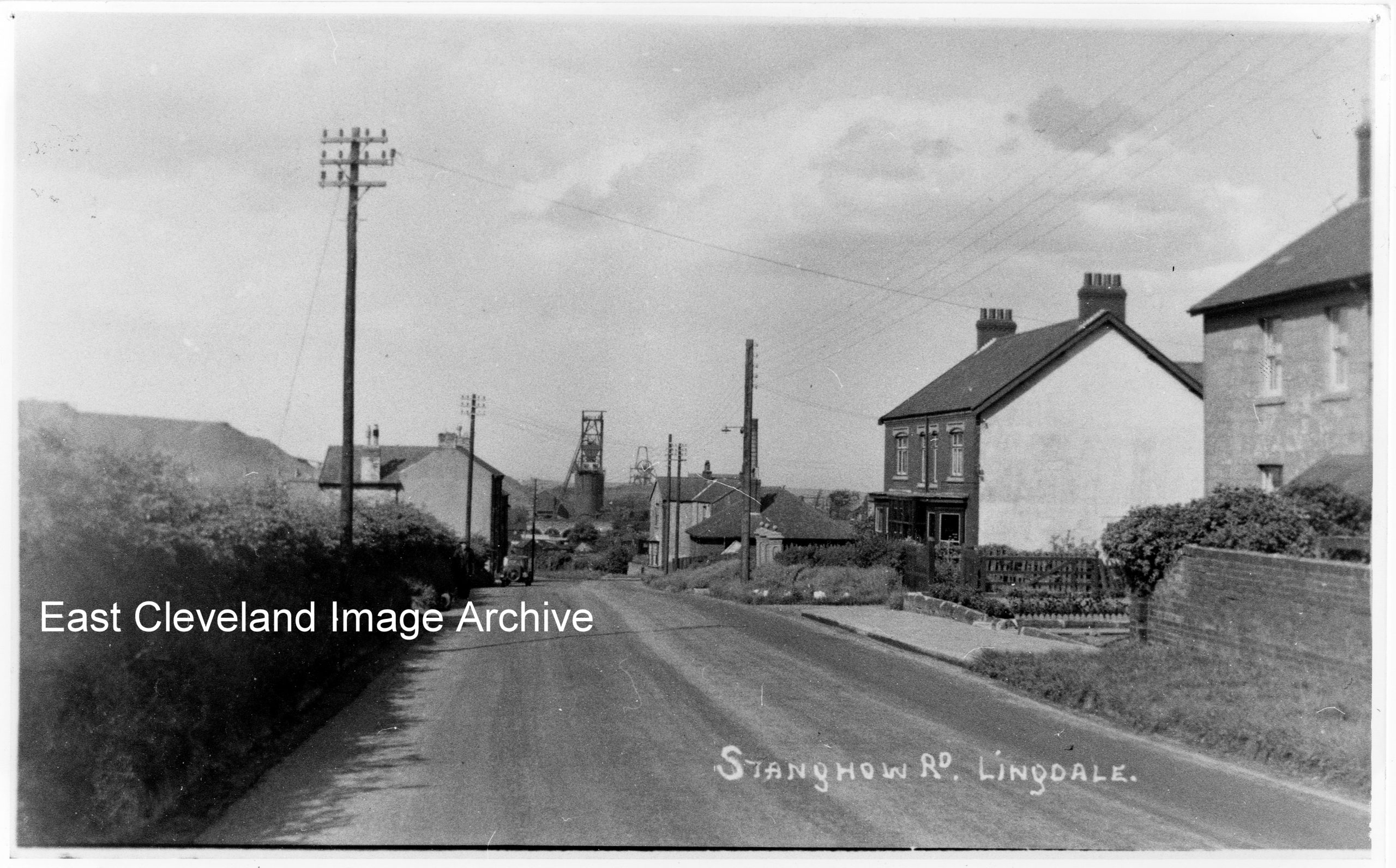
Stanghow

This nice photograph with the mine in the background left the Archive asking for the date and details. Eric Johnson informed us: ”in the centre of the photograph, can be seen the calcining kilns and materials hoist. The three kilns were originally on the island of RAASAY in the Inner Hebrides; dismantled in about 1943 with each part carefully numbered and loaded into ships. One local man John Macleod was killed in the hold when the sling broke. The kilns were taken to Lingdale and re-erected shortly afterwards, this photograph is from about 1950.” Thanks to Eric for the information.
Image courtesy of Cleveland Ironstone Mining Museum, thanks to Eric Johnson for the information.

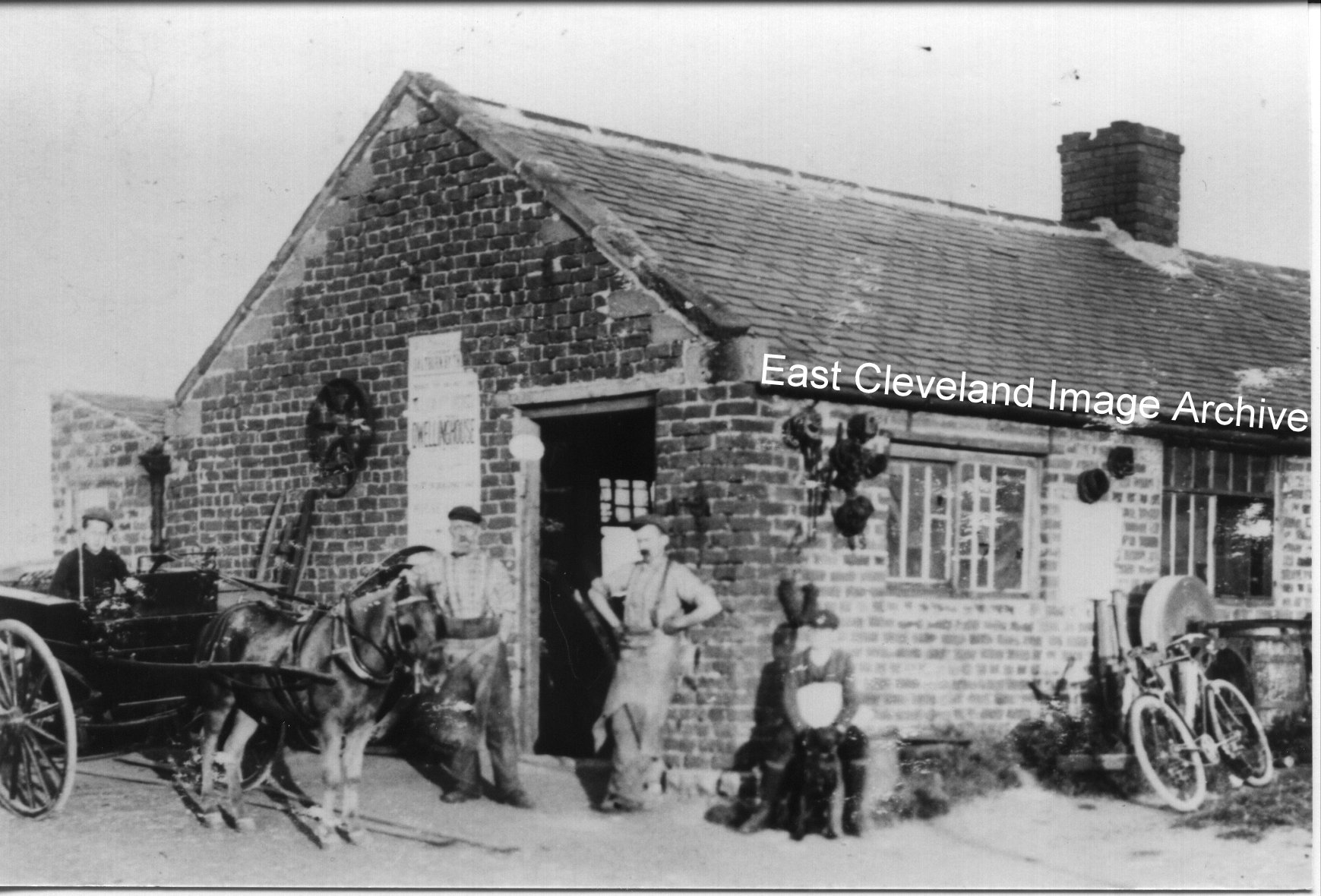
Blacksmiths Shop at Stanghow

This is an image Derick Pearson reproduced on a CD rom for an exhibition in 1983, his comments included: ”The little pony and trap belonged to Peter Dorman’s family from Stanghow Hall. Peter’s great grandfather was Isaac Scarth who built Stanghow Hall in 1776. This blacksmiths shop replaced an earlier one (c1800) which used to be under the tree at the entrance to the old Easter Field path. For those who don’t remember the Easter Field, it was the Moorsholm wood path next to Stanghow Hall. This later one was there before the turn of the century. My father was playing there in 1929 and got his thumb trapped in a large grindstone which can be seen in this image, beside the bicycle on the right. A bungalow is now on the site of this old blacksmiths shop. When the image is zoomed in the large board to the left of the doorway is advertising a dwelling house for rent.”

Bill Danby has supplied us with the following information about this image: “1. Tom Curnow, a Lingdaler and later a Skeltoner included this photograph in his book, “Skelton and its History”, which is available in local libraries. He describes working the bellows there as a lad. 2. Derick Pearson mentions the Scarths’ at Stanghow House. The family was still there in 1917; their son also called Isaac was killed, aged 23, at Arras while serving as a Lieutenant with the local 1/4th Battalion of the Yorkshire Regiment, on the 23rd April. The circumstances of the day and more details about him are described on my “Skelton in Cleveland in History & 1/4th Battalion Yorkshire Regiment website.”

Paula Miller tells us: ”This image I used in a calendar to raise funds for a local group and Mr Richard (Dick) Dorman bought a copy from me and asked me where on earth did I get the photograph from; as the trap is indeed his and he still has it and invited me to go see it; its rotten now. The lady in the trap was indeed his gran.”

Cuth Earl tells us: ”The blacksmith with the beard is I think my great grandfather George Langstaff. He was the son of John Langstaff, a farmer, who is mentioned in Bulmer’s Directory 1890 – Stanghow Township. Another son, Christopher (Kit) was a grocer in Lingdale. The Langstaff family hailed from County Durham originally, principally in the area of Witton le Wear”.

Image originally supplied by Mike Holliday, but particular thanks to Bill Danby and Derick Pearson for the above information; also to Paula Miller and Cuth Earl for the updates.
Plantation Cottage Rear 1930s

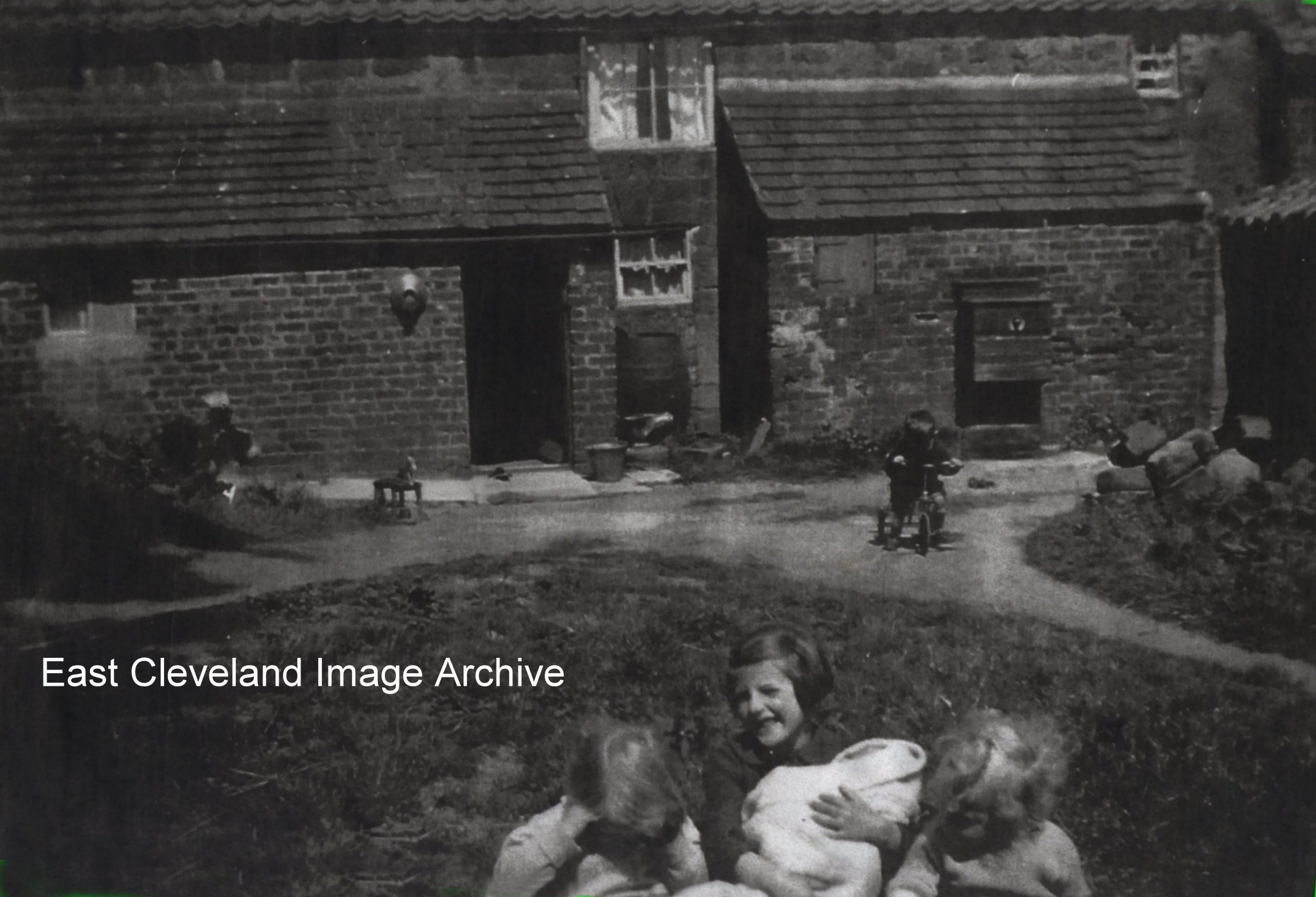
Derick Pearson advised the Archive: “This is at the rear of Plantation cottages which is near to Stanghow Hall; owned by Peter Dorman until just recently, now his son Richard is the owner. The road from Lingdale towards Lockwood Beck crosses Stanghow Ridge; right turn leads eventually onto Birk Brow bank. Turning left for 300 yards or so; Plantation Cottages is on the right opposite the farm right under the Rookery trees.”

Image courtesy of Mike Holliday and thanks to Derick Pearson for the update with location information.

Margrove Park

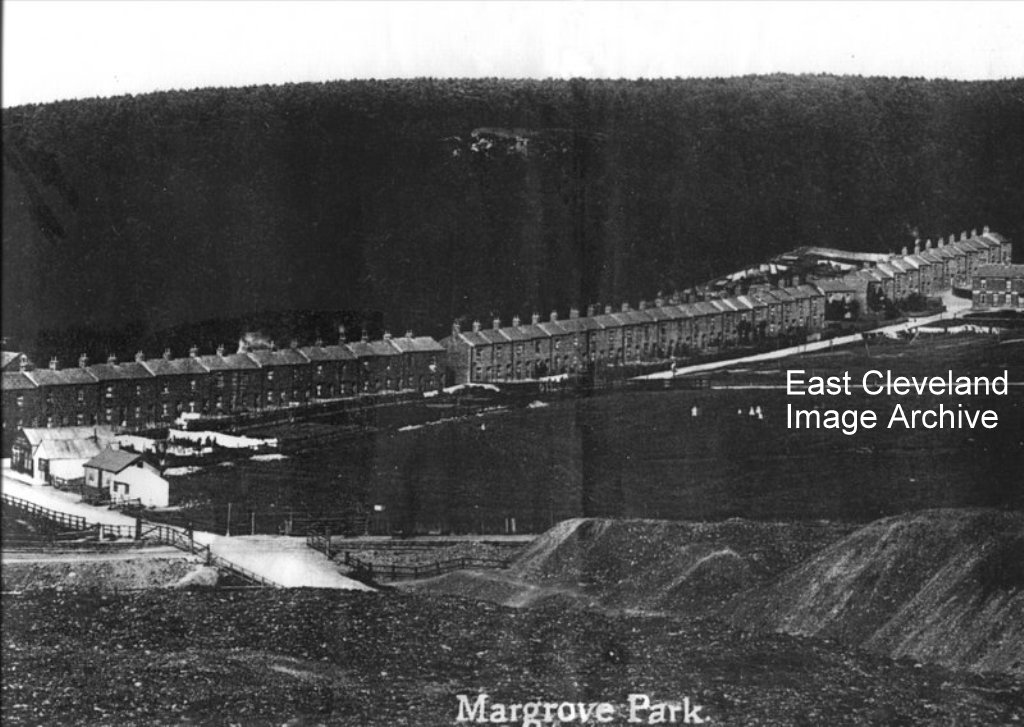
Not a very clear image but we haven’t got many of Margrove Park . Derick Pearson advised: ” I copied this on photocopy paper, hence the ripples on the image.” K. Bastiman adds: “A clearer image can be found on our web page (margrove park.com)(old photos), believe it was produced from a scan taken from a Frith post card.”
Image courtesy of Mike Holliday and thanks to Derick Pearson and K. Bastiman for the updates.

Slapewath

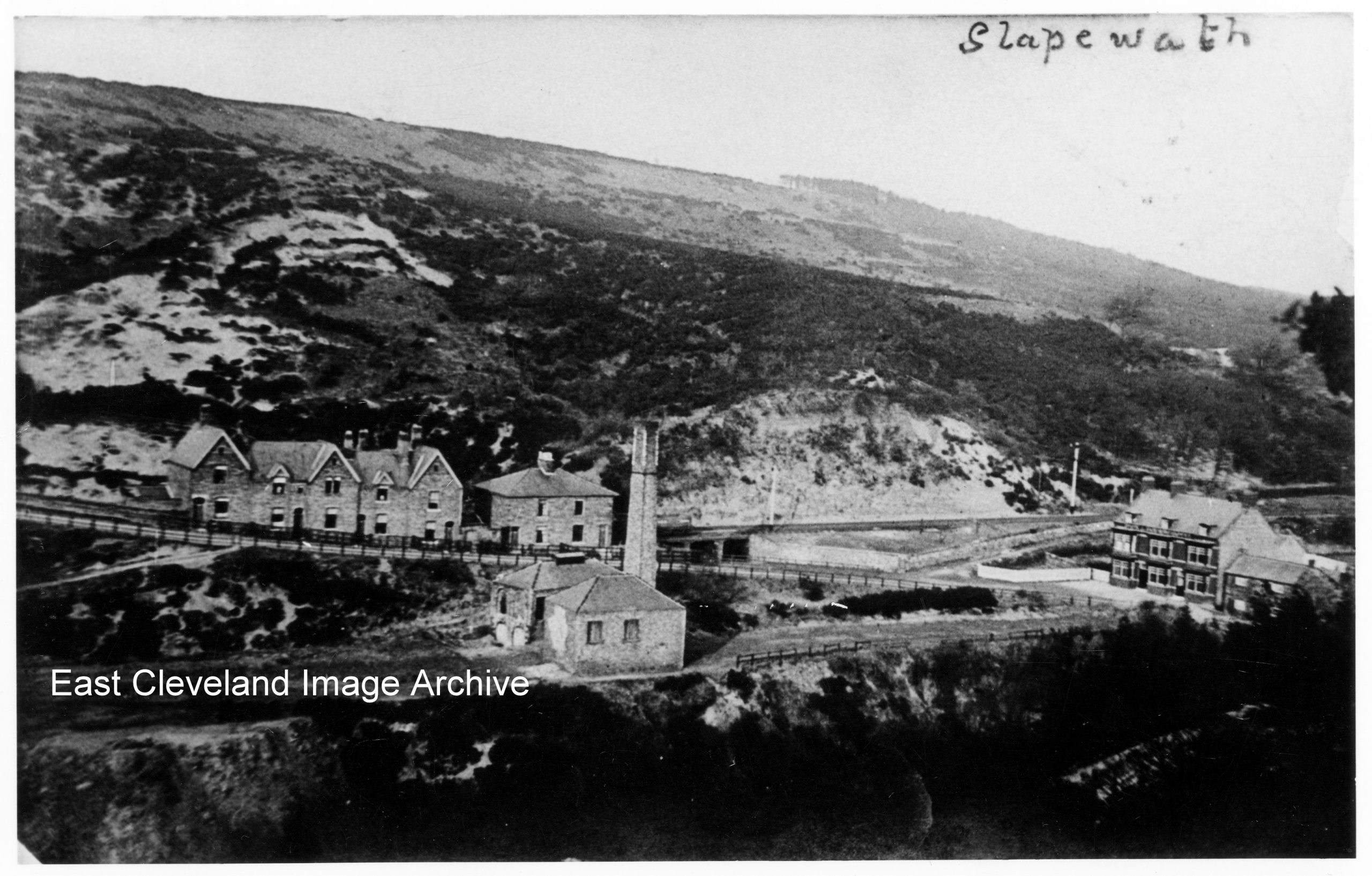
I think this is the first photograph I have seen of Slapewath ironstone mine, do you have any for us to copy? Please.
Image courtesy of Cleveland Ironstone Mining Museum.

Skelton Castle Lake

Dating probably from the 1960’s or earlier; this Frith’s postcard view of Skelton Castle from the lakeside shows an aspect of the castle that many are unaware of. The lake has been formed by damming part of the original moat for the castle, probably part of the landscaping craze in the eighteenth or nineteenth centuries. The lake itself was one of the wonders I first encountered when delivering daily papers; my round was the western end of Skelton High Street, round the Castle and back up Marske Mill Lane into Skelton.

Image courtesy of Peter Appleton.

Guisborough Priory

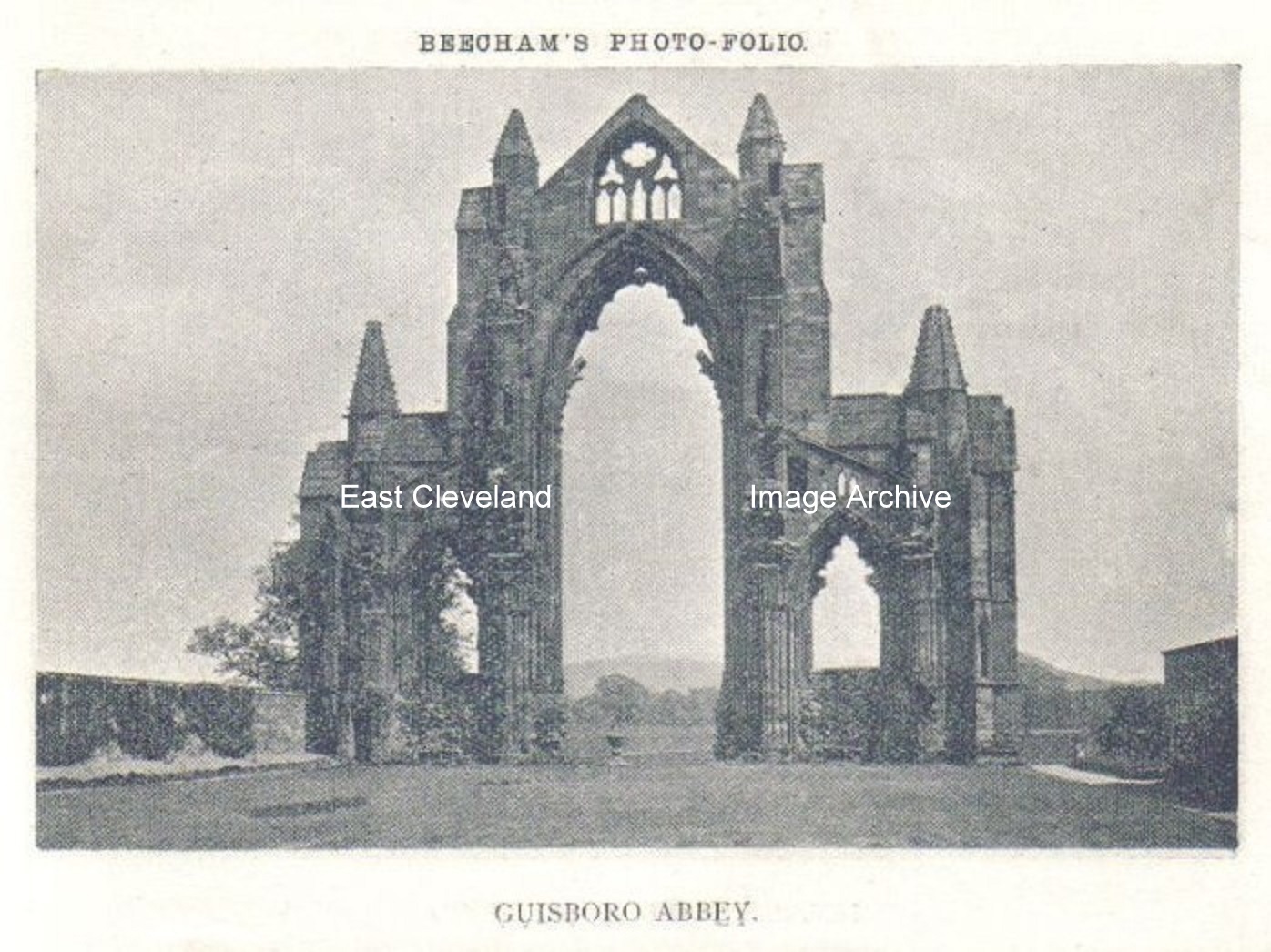
Although a beautiful place; we don’t see many photographs of it. This image from Beecham’s Photo-Folio, possibly the Saltburn edition, this was a selection of photographs of the notable buildings and views in the area surrounding in this case Saltburn, probably dating from c.1900.

Image courtesy of a friend of the Archive.

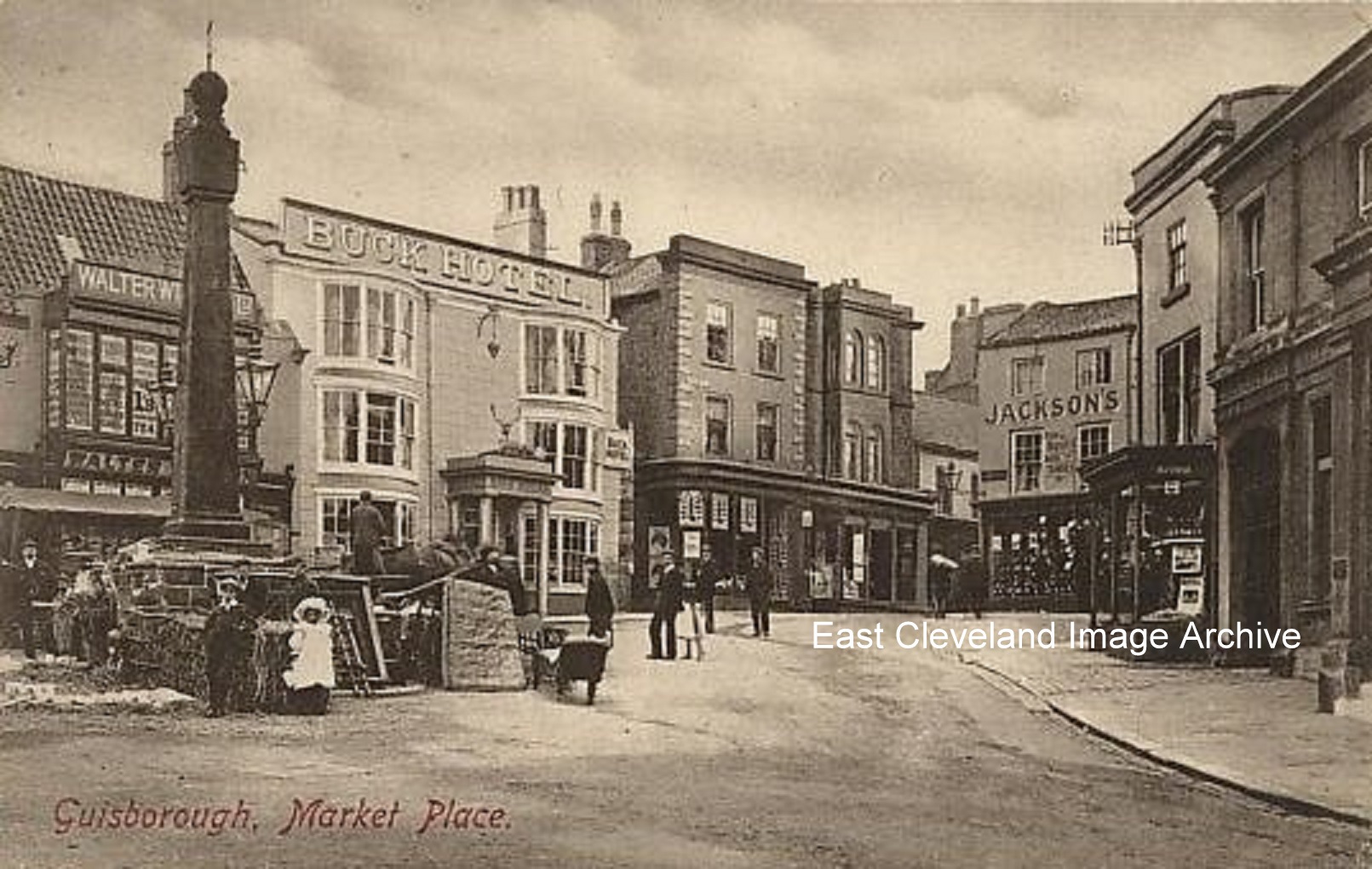
Market Place Guisborough

How lovely to see Guisborough like this free of traffic. Dating the image is possibly best via directories and Census: Bulmer’s Directory of 1890 lists a William Jackson as a Bootmaker trading in the Market Place, the 1891 Census lists William Jackson, but the 1901 Census does not. So the photograph was probably taken post 1891. We are still researching! 

Image from a collection compiled by Derick Pearson.

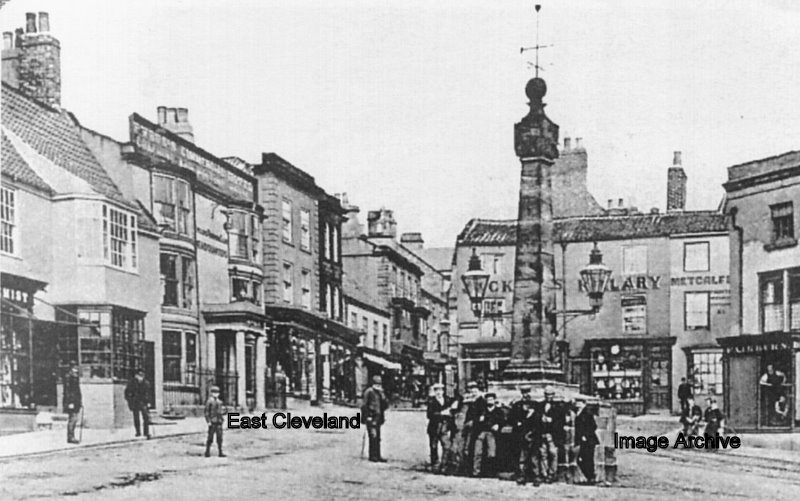
Putting The World Right?

I wonder what the topic of the day was with these men gathered at the cross in Guisborough? You wouldn’t or couldn’t stand there today. Owen Rooks suggests: “This is only a suggestion-not a definitive answer! This could be a picture of the hirings, A process by which young able bodied men were engaged as agricultural labourers on yearly contracts. My father left school at the age of 12 in the early 1900’s and became a farm worker living in with his employers at various locations around the area. I remember him telling me how he walked from Skelton to stand at the Market Cross in Guisborough in the hope that someone would “hire” him. I don’t know how often this ritual occurred but it must have been a rather humiliating process. The picture seems to show such a group of young men with a prospective employer standing to the left (holding the stick).

Thanks to Owen Rooks for the update.

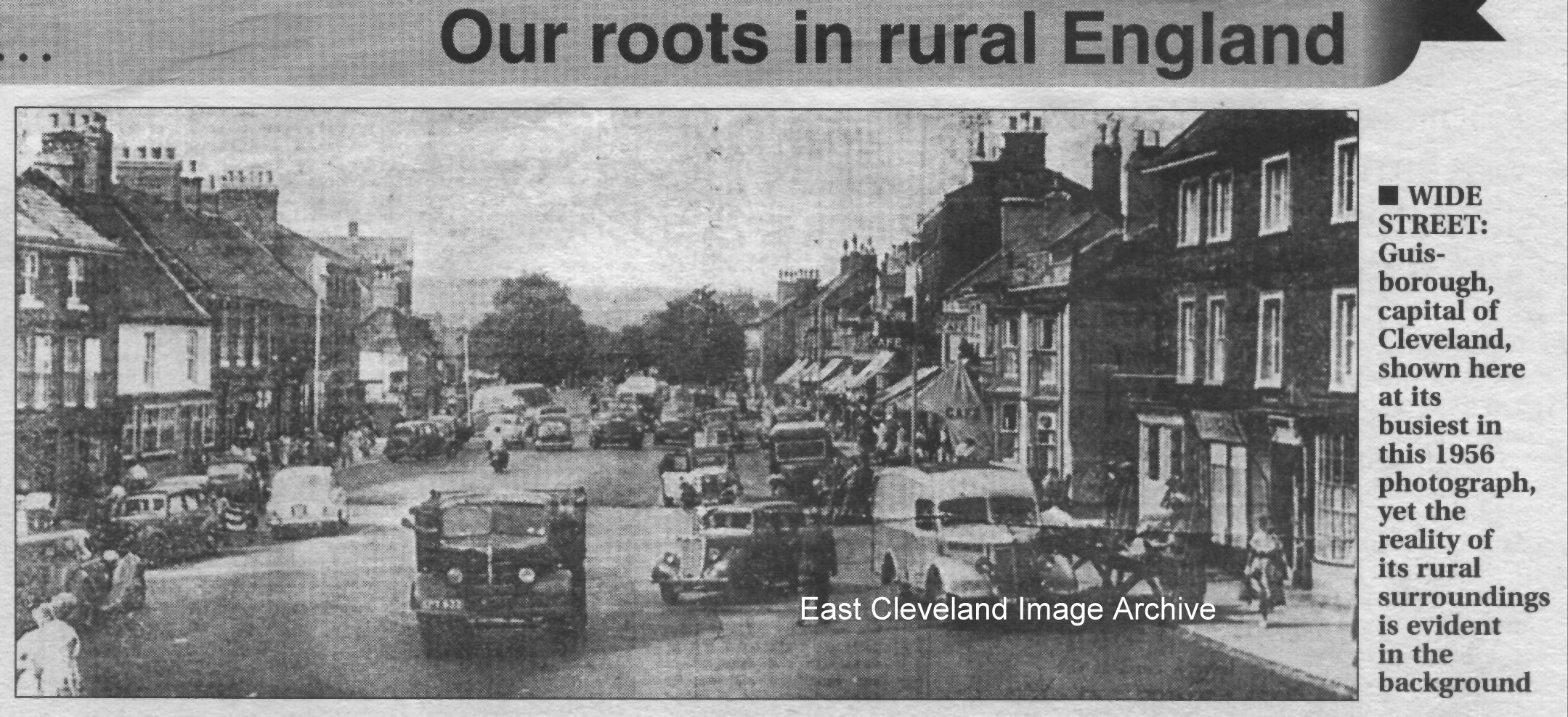
Guisborough 1956

Now this view of Guisborough I can relate with.
Image (from a cutting) courtesy of Derick Pearson.